

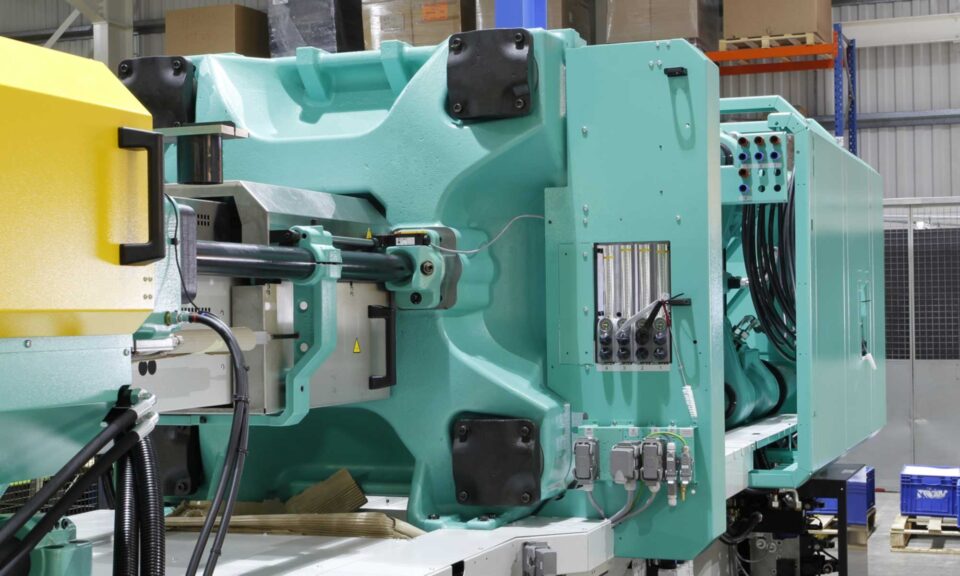
In the world of manufacturing, two of the most popular and widely used techniques for mass production are Injection Molding and Metal Casting. Both processes offer unique benefits, allowing manufacturers to produce high-quality, precise parts in large quantities. However, each method comes with its own set of challenges and requires expertise to master. Whether you are new to these processes or looking to refine your approach, this article will provide essential Injection Molding Insights and Metal Casting Tips that can help you achieve success.
In this guide, we’ll explore the fundamentals of Injection Molding and Metal Casting, along with best practices, tips, and strategies to improve your production efficiency and quality.
What is Injection Molding? Key Insights
Injection Molding is a highly versatile manufacturing process used to produce parts in large volumes. It involves injecting molten plastic into a mold cavity, where it cools and solidifies to form a desired part. The process is used to create a wide range of plastic products, from automotive components to consumer goods, and offers numerous advantages for large-scale production.
Advantages of Injection Molding
- High Precision and Consistency: Injection Molding allows for highly accurate and consistent parts, making it ideal for producing large quantities of identical items. Once the mold is created, it can be used repeatedly, ensuring uniformity across all parts.
- Complex Geometries: The process enables the production of parts with intricate shapes and complex geometries, which would be difficult or impossible to achieve with other manufacturing methods.
- Speed and Efficiency: Injection Molding is fast, with cycle times ranging from a few seconds to a few minutes, depending on the size and complexity of the part. This speed, combined with the ability to produce large volumes in a single run, makes it a cost-effective choice for mass production.
Key Considerations for Successful Injection Molding
- Material Selection: Choosing the right material for the job is crucial. The material’s flowability, melting point, and cooling rate can significantly affect the quality and efficiency of the molding process. Common materials used include ABS, polycarbonate, polyethylene, and polypropylene.
- Mold Design: The design of the mold is critical to the success of the Injection Molding A well-designed mold minimizes material waste, reduces cycle times, and ensures the final product has the desired properties. It’s also essential to ensure proper cooling channels and venting to avoid defects.
- Optimization of Process Parameters: Key process parameters, such as injection pressure, injection speed, and temperature, need to be carefully monitored and adjusted to ensure consistent and high-quality parts.
What is Metal Casting? Essential Tips for Quality Production
Metal Casting is the process of pouring molten metal into a mold to create solid parts. This technique is used for producing metal components of various shapes and sizes, such as engine blocks, industrial parts, and sculptures. Metal casting offers the flexibility to produce complex shapes that may not be achievable with machining or other processes.
Advantages of Metal Casting
- Cost-Effective for Complex Shapes: Metal Casting is an ideal choice for producing parts with complex geometries, especially when compared to machining, which may require extensive tooling and labor.
- Versatility with Materials: Metal casting can be performed with a variety of metals, including aluminum, steel, cast iron, and bronze. This versatility allows manufacturers to choose the material that best fits the application, whether it requires high strength, heat resistance, or corrosion resistance.
- Large-Scale Production: Similar to Injection Molding, metal casting allows for high-volume production, making it a cost-effective solution for mass manufacturing of metal parts.
Key Tips for Successful Metal Casting
- Choosing the Right Metal: Selecting the appropriate metal for your casting is essential for ensuring the strength, durability, and other desired properties of the final product. Common metals used for casting include aluminum, iron, bronze, and steel. Each material has its unique properties, so understanding the application and requirements is key to success.
- Mold Design and Pattern Making: A properly designed mold is critical to ensuring the quality of the casted part. The mold must accommodate the metal’s thermal expansion and allow for uniform cooling. Additionally, patterns must be designed to account for shrinkage, ensuring that the final dimensions of the part are accurate.
- Proper Mold Ventilation: Good mold ventilation is vital to prevent air pockets and gas buildup during the casting process. Without proper ventilation, defects like porosity or bubbles can occur, compromising the quality of the finished part.
- Control of Pouring Temperature: The temperature at which the molten metal is poured into the mold significantly impacts the final product. Pouring the metal at the correct temperature ensures that it fills the mold cavity properly and cools at an optimal rate to minimize defects.
Injection Molding vs. Metal Casting: When to Choose Each Process
Both Injection Molding and Metal Casting offer distinct advantages, and choosing between the two methods depends on various factors, including material, part complexity, and production volume. Here’s when to choose each process:
When to Choose Injection Molding
- When Producing Plastic Parts: Injection Molding is ideal for creating plastic parts in high volumes, especially those with complex shapes and tight tolerances. It is also better for lighter-weight parts and those requiring a smooth surface finish.
- When Speed and Efficiency Matter: If your goal is to produce large quantities of identical parts quickly, Injection Molding is the best choice due to its rapid cycle times and high production rate.
- When the Part Requires Multiple Materials: Injection Molding can be used to create parts with multiple materials in a single shot, allowing for different colors, textures, and properties within the same part.
When to Choose Metal Casting
- When Producing Metal Parts: Metal Casting is ideal for producing metal parts, such as engine components, structural components, and industrial machinery. It’s the go-to choice for metalworking industries like automotive, aerospace, and construction.
- When the Part Has Complex Geometries: If the part requires intricate details or unusual shapes that would be challenging to achieve with machining or other manufacturing methods, Metal Casting is the optimal solution.
- When Strength and Durability Are Critical: For parts that need to withstand high stress or extreme conditions, Metal Casting offers excellent material options, such as steel and aluminum alloys, that provide high strength, durability, and heat resistance.
Best Practices for Optimizing Injection Molding and Metal Casting
For Injection Molding
- Monitor and Control Cycle Times: Reduce cycle times without sacrificing quality by optimizing process parameters such as injection speed, pressure, and cooling time. This improves overall efficiency and reduces production costs.
- Maintain Mold Quality: Regularly inspect and maintain molds to ensure they are free from defects and wear. A well-maintained mold ensures consistent part quality and longevity.
- Choose the Right Resin: Select the appropriate resin based on the application and environmental requirements. For instance, ABS is great for impact resistance, while polycarbonate is ideal for optical clarity and high strength.
For Metal Casting
- Invest in Proper Mold Materials: The material used for the mold significantly affects the outcome of the casting. High-quality sand or metal molds can help prevent defects like warping, cracking, or surface imperfections.
- Use Proper Pouring Techniques: Control the pouring process to avoid turbulence or splashing, which can lead to defects. Use the correct pouring temperature to ensure a smooth flow into the mold cavity.
- Monitor Cooling Rates: Cooling rates affect the microstructure of the final part. Too rapid cooling can cause cracks or warping, while too slow cooling can lead to other defects. Control cooling conditions for optimal results.
Conclusion
Both Injection Molding and Metal Casting are critical processes in modern manufacturing. Understanding the ins and outs of each method is essential for optimizing production, reducing costs, and ensuring high-quality parts. By following the Injection Molding Insights and Metal Casting Tips provided in this article, you can improve the efficiency, precision, and quality of your manufacturing processes.
With the right expertise, proper material selection, and attention to detail, you can leverage these techniques to meet your production goals and create parts that exceed your customers’ expectations. Whether you’re working with plastics, metals, or a combination of materials, mastering these techniques will set you up for success in the world of manufacturing.
