

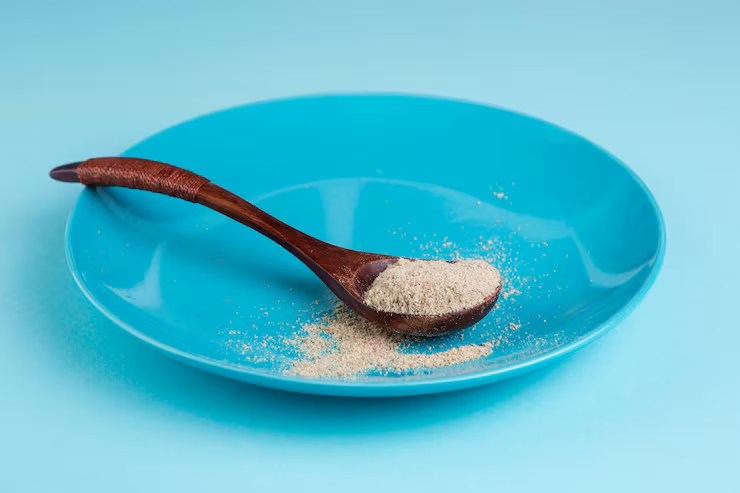
Introduction
IMR 4350 is a well-known smokeless rifle propellant with a long history in the shooting and ammunition-reloading community. It is frequently discussed by rifle enthusiasts who want to understand different propellant types, their characteristics, and their applications in sporting ammunition.
Choosing a rifle powder involves more than comparing brand names or looking at velocity figures. Factors such as cartridge design, bullet specifications, firearm compatibility, and published load data all influence suitability and performance.
This article explores the characteristics of IMR 4350 powder, its general applications, performance considerations, comparisons with other rifle propellants, and essential safety practices. Review the details of imr 4064 to better understand its product specifications.
- What Is IMR 4350 Powder?
IMR 4350 is an extruded smokeless rifle powder. Extruded powders are manufactured in small cylindrical grains, giving them a different physical structure from spherical or ball powders.
The number in the product name is part of its designation, not a universal measurement of performance or a guarantee that it can be substituted for another powder with a similar number.
IMR 4350 is commonly associated with rifle cartridges whose published loading data call for this propellant. Its suitability depends on the exact cartridge and component combination, so it should always be evaluated using current manufacturer guidance rather than general recommendations. Review the listing for imr 4350 to find relevant product information.
- Key Characteristics of IMR 4350 Powder
Extruded Grain Structure
One of the defining features of IMR 4350 is its extruded grain structure. This distinguishes it from spherical propellants and contributes to its handling and metering characteristics.
The shape and dimensions of powder grains can influence how a propellant meters through reloading equipment. However, the physical appearance of a powder should never be used as the sole method of identifying it.
Rifle-Specific Applications
IMR 4350 is intended for applications specified in published rifle-reloading data. Not every rifle cartridge can safely use it, and suitability should not be inferred from the powder’s general reputation. Explore the product listing for imr 4198 to find useful specifications.
Established Reputation
IMR 4350 has a long-standing presence in reloading manuals and discussions about sporting rifle ammunition. Its established use makes it a familiar product for people researching traditional rifle propellants.
Dependence on Component Compatibility
Powder performance depends on the complete ammunition configuration. Bullet weight and construction, case capacity, primer selection, cartridge dimensions, and firearm characteristics can all influence pressure and velocity.
For this reason, loading data for one combination must not automatically be applied to another.
- Common Applications of IMR 4350 Powder
IMR 4350 is particularly associated with selected sporting rifle cartridges, including applications involving short magnum cartridges and other rifle cases for which its characteristics are appropriate. Hodgdon’s published reloading references discuss its use in these categories. Read the available product information about imr 4895 to understand its characteristics.
Sporting and Hunting Rifles
IMR 4350 is relevant to research into sporting ammunition used for hunting and other lawful rifle applications. The actual suitability of the powder depends on the cartridge, bullet, and firearm.
A load should be considered only when reliable, current data explicitly supports the exact combination.
Traditional Rifle Cartridges
Cartridges such as the .270 Winchester and .30-06 Springfield are frequently discussed in connection with IMR 4350. These established sporting cartridges have extensive histories in hunting and target-shooting applications.
However, not every bullet weight or design used in these cartridges is suitable for IMR 4350. Published data should always guide component selection. Review the listing for titegroup powder to find relevant specifications.
Selected Short Magnum Cartridges
IMR 4350 is also associated with certain short magnum cartridges. Its suitability in these applications depends on the individual cartridge’s design and the specific loading data available.
It is important to distinguish between IMR 4350 and other powders with similar names, particularly Hodgdon H4350. Similar designations do not mean that their loading data can be exchanged.
- Understanding the Performance of IMR 4350
Several factors help explain how IMR 4350 is evaluated in rifle-reloading discussions.
Burn Rate Characteristics
Burn rate describes how quickly a propellant burns under specified conditions. IMR 4350 is generally classified among medium-to-slow rifle propellants, although the relative position of powders can vary between published burn-rate charts. Review the available specifications of imr 4831 through its dedicated listing.
Burn-rate charts are useful for general comparisons, but they do not establish that two powders are interchangeable. Only appropriate, powder-specific loading data can establish a supported application.
Velocity
Muzzle velocity depends on the cartridge, bullet, barrel length, and tested load configuration. A published velocity figure is meaningful only when considered alongside the testing conditions and associated pressure data.
Higher velocity alone does not necessarily produce better accuracy, greater practical effectiveness, or a safer load. Review the product listing for imr 3031 to find useful information.
Accuracy and Consistency
Accuracy depends on the firearm, barrel condition, bullet characteristics, ammunition quality, environmental conditions, and shooter technique.
IMR 4350 may provide satisfactory results in a particular combination when used according to tested specifications. However, there is no universally most accurate powder for every rifle. Review the product information for vihtavuori n140 to find relevant details.
Temperature and Environmental Conditions
Temperature can affect the behavior of smokeless propellants and the performance of ammunition. Users should consult the manufacturer’s current technical information for any claims about temperature sensitivity.
Do not assume that IMR 4350 shares the same temperature-performance characteristics as another powder in the 4350 family. Review the dedicated listing for blue dot powder to find useful specifications.
- IMR 4350 vs. Other Rifle Powders
Comparing powders can help readers understand their general roles, but these comparisons should not be used to substitute one propellant for another.
| Powder | General characteristics |
| IMR 4350 | Extruded rifle propellant associated with selected sporting and short magnum cartridges |
| Hodgdon H4350 | A separate rifle powder with its own published loading data |
| IMR 4064 | Extruded rifle powder with different burn characteristics and cartridge applications |
| IMR 4831 | Another extruded rifle propellant with distinct published loading data |
| IMR 4895 | Established rifle powder used in selected sporting and other rifle applications |
Although IMR 4350 and H4350 have similar names, they are separate products. Likewise, IMR 4064, IMR 4831, and IMR 4895 are not interchangeable with IMR 4350. Each powder must be used according to data specific to that exact product.
- Factors to Consider When Researching IMR 4350
Before selecting IMR 4350 for a rifle application, consider the following points:
- Cartridge compatibility: Verify that current published data covers the exact cartridge.
- Bullet specifications: Bullet weight, construction, and dimensions can influence pressure and performance.
- Firearm requirements: Follow the firearm manufacturer’s instructions and ensure that the ammunition is appropriate for the firearm.
- Reliable technical references: Prioritize current manufacturer data and reputable reloading manuals over unverified online recommendations.
- Product identification: Check the container label carefully to distinguish IMR 4350 from H4350 and other similarly named products.
- Data consistency: Never combine charge information from different powders, cartridges, or component combinations without verified guidance.
These considerations are essential because ammunition pressure can become dangerous even when a change appears minor.
- Safe Handling and Storage of IMR 4350 Powder
IMR 4350 is a combustible smokeless propellant. Proper handling and storage reduce the risk of fire, accidental ignition, and product misidentification.
Follow these general precautions:
- Keep the powder in its original container with its label intact.
- Follow the manufacturer’s storage and handling instructions.
- Keep it away from open flames, sparks, and other ignition sources.
- Prevent access by children and unauthorized individuals.
- Never mix different powders or store unidentified powder in a labeled container.
- Do not use material whose identity or condition is uncertain.
- Consult the official safety data sheet for detailed handling, storage, and emergency information.
- Frequently Asked Questions About IMR 4350 Powder
What type of powder is IMR 4350?
IMR 4350 is an extruded smokeless rifle propellant used in specified rifle-ammunition applications.
What is IMR 4350 commonly used for?
It is associated with selected sporting rifle cartridges, including certain traditional rifle and short magnum applications. The precise suitability depends on current published loading data.
Is IMR 4350 the same as H4350?
No. They are separate products with distinct loading data. Similar names do not establish interchangeability.
Does IMR 4350 improve rifle accuracy?
It may be suitable for an accurate ammunition combination, but results vary by rifle, bullet, load specifications, and shooting conditions. No powder guarantees improved accuracy in every firearm.
Can IMR 4350 be used in any rifle cartridge?
No. A cartridge must be specifically covered by reliable published data for the powder and component combination involved.
Conclusion
IMR 4350 powder is an established extruded rifle propellant with a history of use in selected sporting rifle cartridges. Its characteristics and applications make it a relevant topic for hunters, shooting enthusiasts, and readers interested in ammunition components. Review the listing for imr 4227 to find relevant product details.
Understanding its burn-rate classification, general applications, and performance considerations can help readers distinguish it from other rifle powders. However, product reputation and broad cartridge associations are not substitutes for exact, tested loading data.
The most responsible approach is to verify product identity, consult current manufacturer guidance, follow firearm-specific requirements, and prioritize safe handling at every stage.
